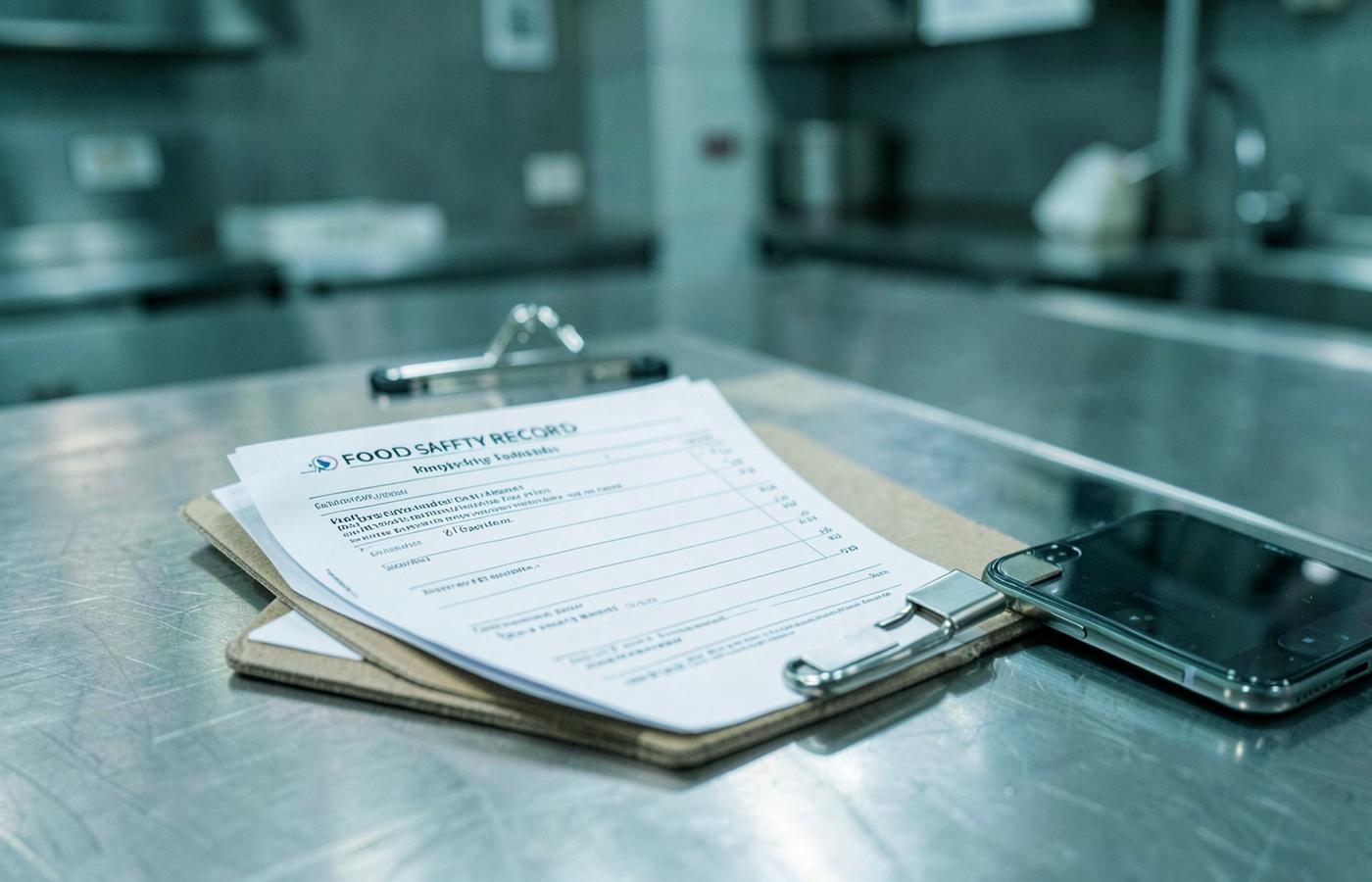
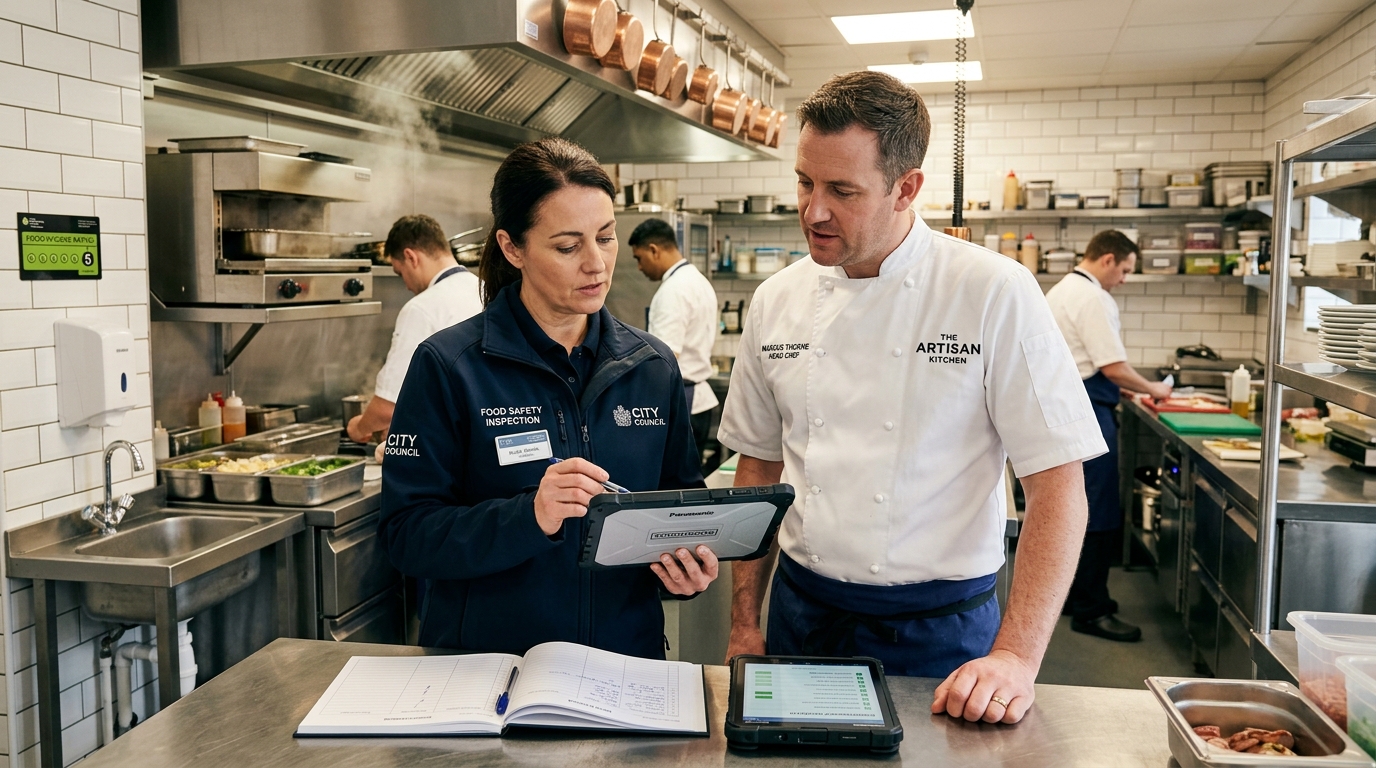
The Importance of Temperature Monitoring in Hospitality
Almost every food safety control in a kitchen eventually comes back to temperature: how cold food is stored, how hot it is cooked, how quickly it is cooled, how it is held through service.
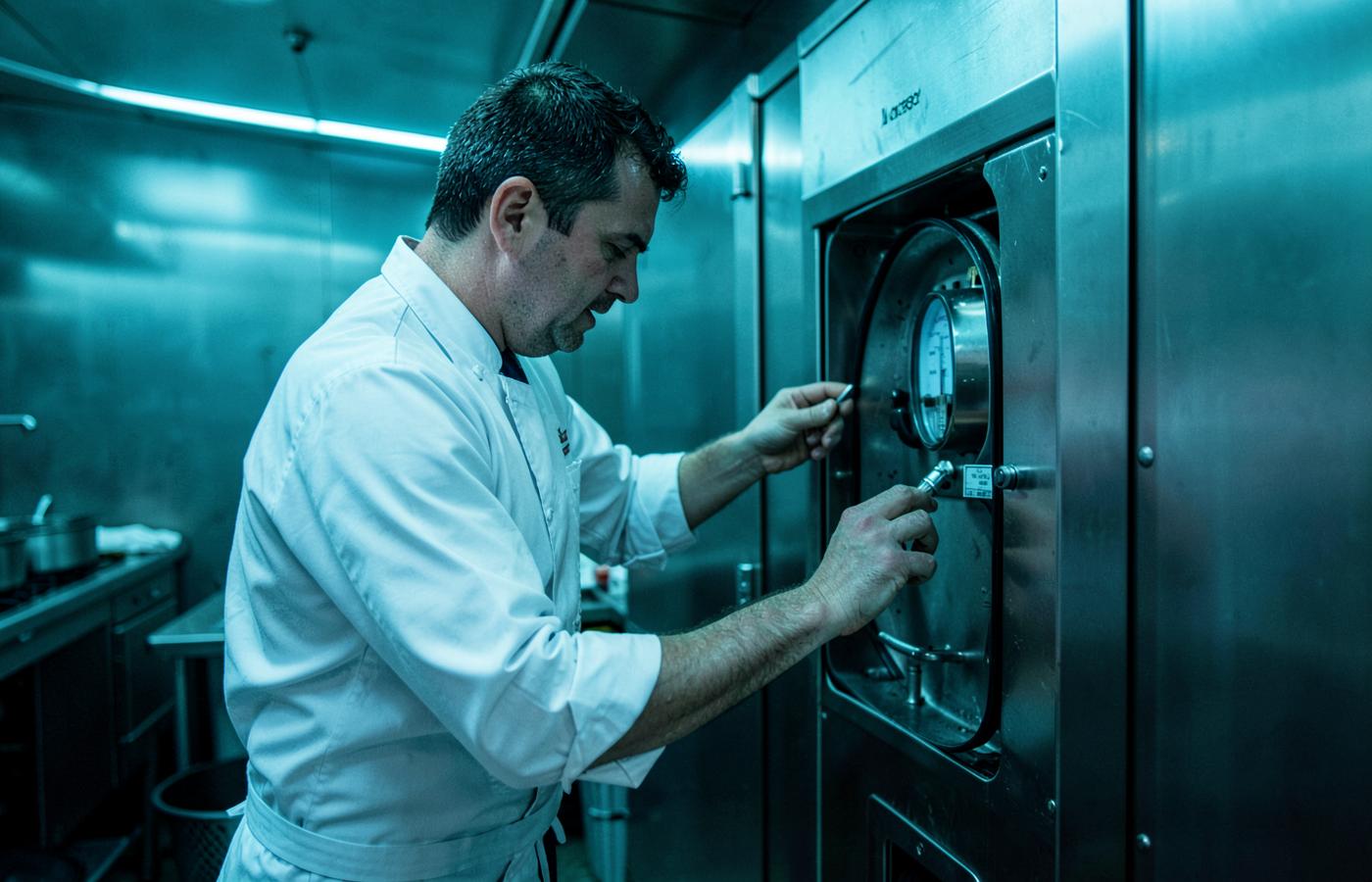
Where temperature control actually fails
Failures rarely happen at the cooking stage. Cooking is visible, immediate and usually done by someone experienced. The risk concentrates in the quieter moments: a chiller that drifts overnight, food cooling slowly in a deep container, a hot counter that was switched on late, a delivery left on the loading bay while the team finishes a service.
The checks that matter most
- Chiller and freezer readings on a fixed routine, not when someone remembers
- Delivery temperatures recorded at goods-in, before the product is accepted
- Cooking temperatures for high-risk items against defined critical limits
- Cooling records that show food moved through the danger zone quickly enough
- Hot and cold holding checks through the whole service period, not only at the start
A reading without an action is not a control
The most common weakness in temperature records is a page of out-of-range readings with nothing written next to them. If a chiller reads high and no corrective action is documented, the record proves that the operation noticed a problem and did nothing.
Every out-of-range reading needs a documented response: what was checked, what happened to the food, what was done to the equipment, and who confirmed it was resolved.
Use the history, not just the reading
Individual readings answer a compliance question. A history of readings answers an operational one. Equipment that repeatedly sits at the edge of its limit is telling you about a maintenance issue before it becomes a food loss incident.