Why Digital HACCP Records Are Replacing Paper Logs
Most kitchens do not have a food safety problem. They have a record keeping problem. The controls are in place, the team knows what to do, but the evidence lives in a folder that is incomplete, illegible or missing when someone asks for it.
The problem with the folder in the drawer
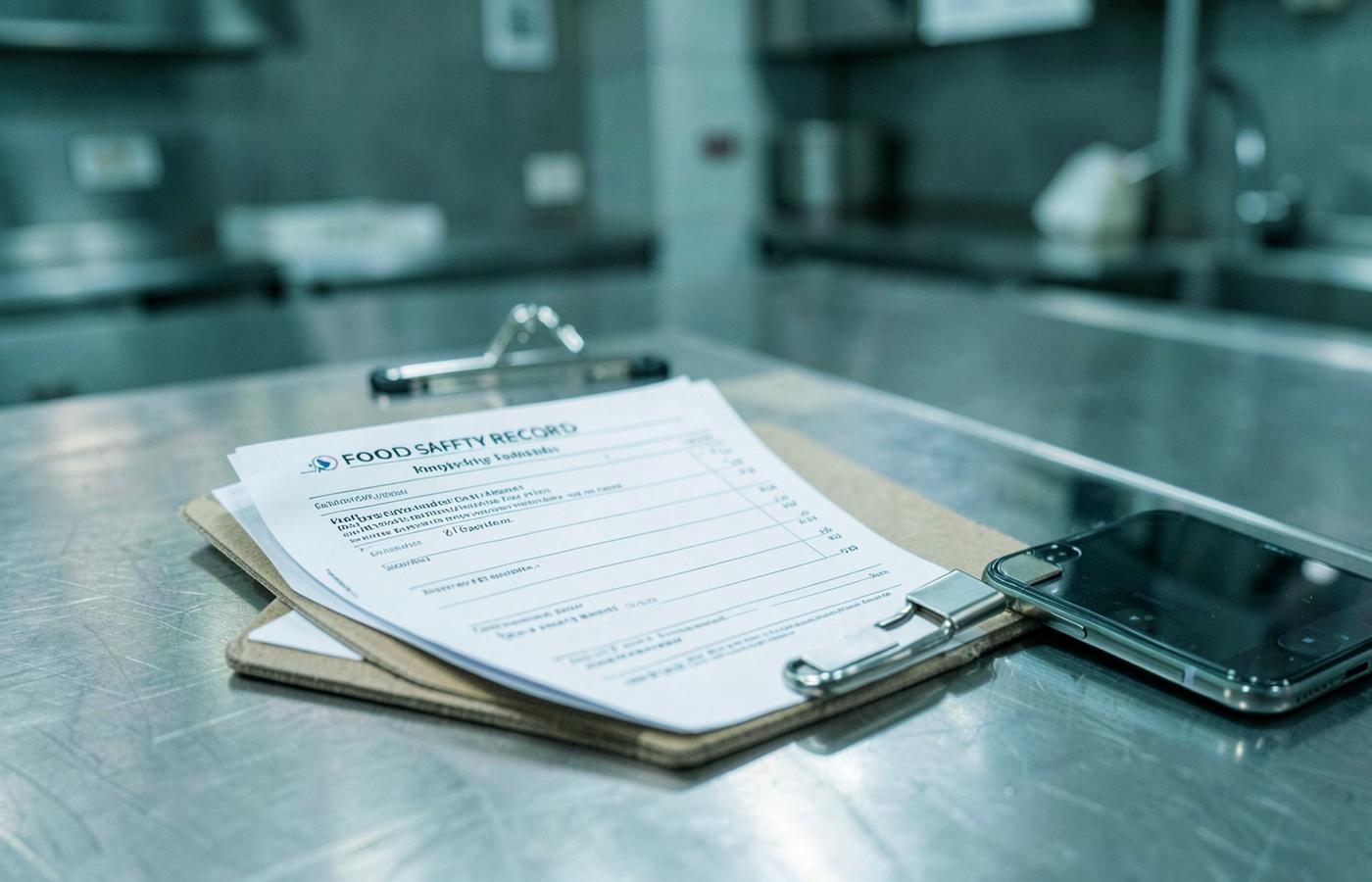
A paper HACCP file depends on someone remembering to fill it in, someone else checking that it was filled in, and both of them being on shift. When service gets busy, the sheet gets completed later — or completed from memory. Neither is a real record.
The gaps only become visible at the worst possible moment: during an inspection, or in the middle of a complaint investigation when you need to show what the temperature actually was on a specific afternoon three weeks ago.
What digital records change
- Entries are time-stamped, so a record reflects when the check happened rather than when the sheet was written up.
- Every record is attributed to a person, which makes accountability concrete instead of implied.
- Missing checks are visible immediately, not discovered at the end of the month.
- Corrective actions are captured with the record they relate to, so the story of what happened stays together.
- Retrieval takes seconds, which matters more than most managers expect until they need it.
It is not about doing more paperwork faster
The point of moving off paper is not speed for its own sake. It is that the record becomes trustworthy. A trustworthy record lets a manager see the operation honestly: which checks are consistently late, which equipment keeps drifting out of range, which shift needs support.
A record that nobody reads is paperwork. A record that changes a decision is a control.
Making the transition without disrupting service
The transition works best when it starts small. Move the checks that are already routine — chiller and freezer temperatures, opening and closing checklists — and let the team get used to recording them on a phone. Once that is habit, add cooking, reheating and holding records, then delivery checks.
Keep the structure of the records the same as your existing plan. The team is not learning new food safety; they are learning a faster way to evidence the food safety they already practise.
What to keep in mind
Digital records do not make a business compliant on their own. Your HACCP plan still has to be right, your team still has to be trained, and someone still has to review what the records are telling you. What digital records do is remove the excuse that the evidence was lost.