How to Prepare Your Restaurant for a Municipality Inspection
Businesses that handle inspections well are not the ones with the best cleaning session the night before. They are the ones whose daily routine already produces the evidence an inspector wants to see.
Start with your documentation
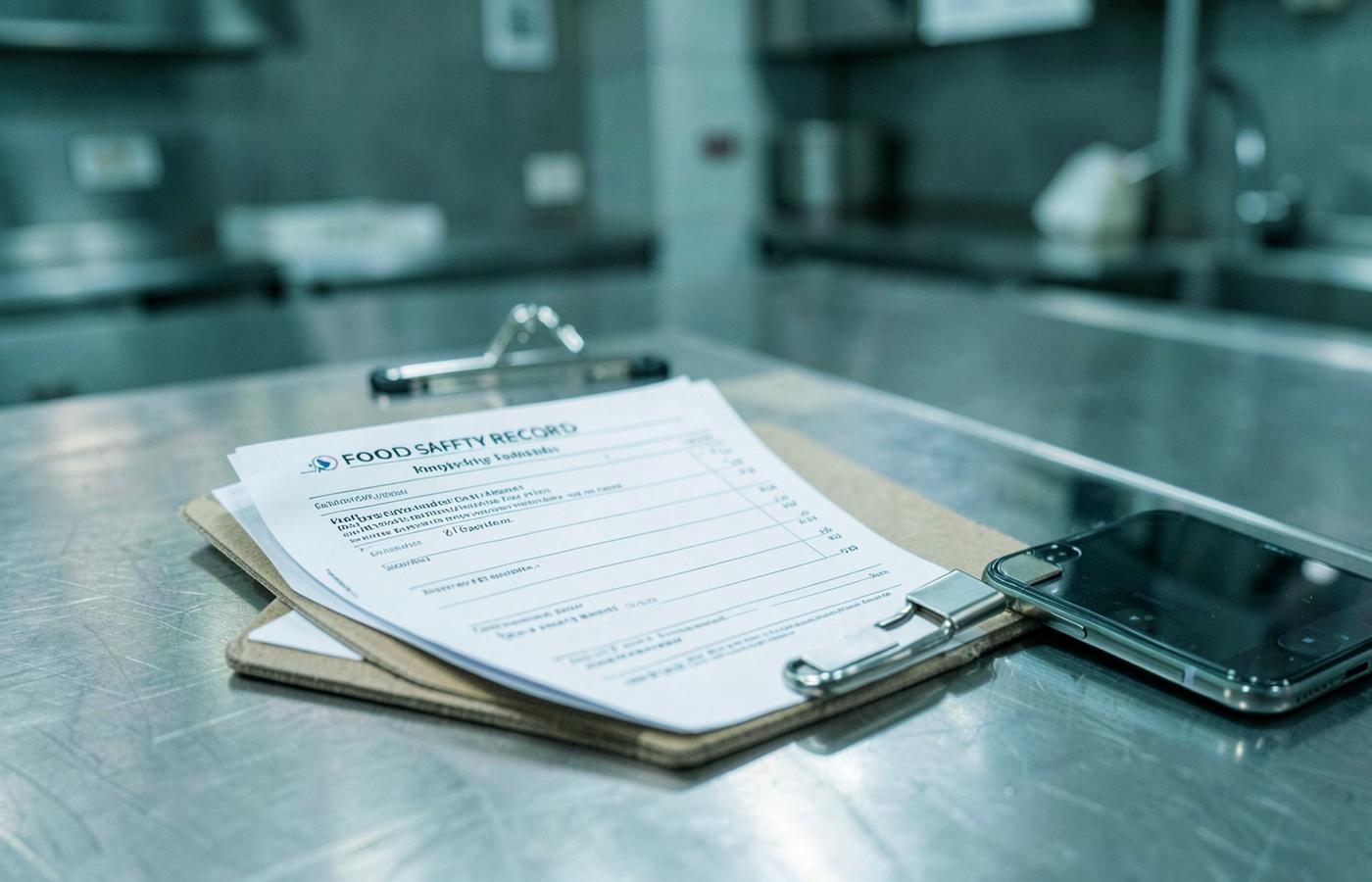
An inspector will generally want to understand your food safety management system before looking at anything else. That means your HACCP plan or documented system, your procedures, and the records that show the system is running.
- A documented food safety plan that reflects your current menu and processes
- Cleaning schedules and the records showing they were completed
- Temperature records with corrective actions where readings were out of range
- Staff training records and food safety certificates
- Supplier and delivery records
- Pest control documentation
Walk your own premises first
Do a structured self-inspection on the same basis an inspector would: storage, separation of raw and ready-to-eat, temperature control, personal hygiene, cleaning, maintenance, pest control and waste. Write down what you find, assign it, and close it out.
Finding your own issues is not a failure. A closed corrective action demonstrates a working system; an unnoticed issue demonstrates the opposite.
Prepare your team, not just your file
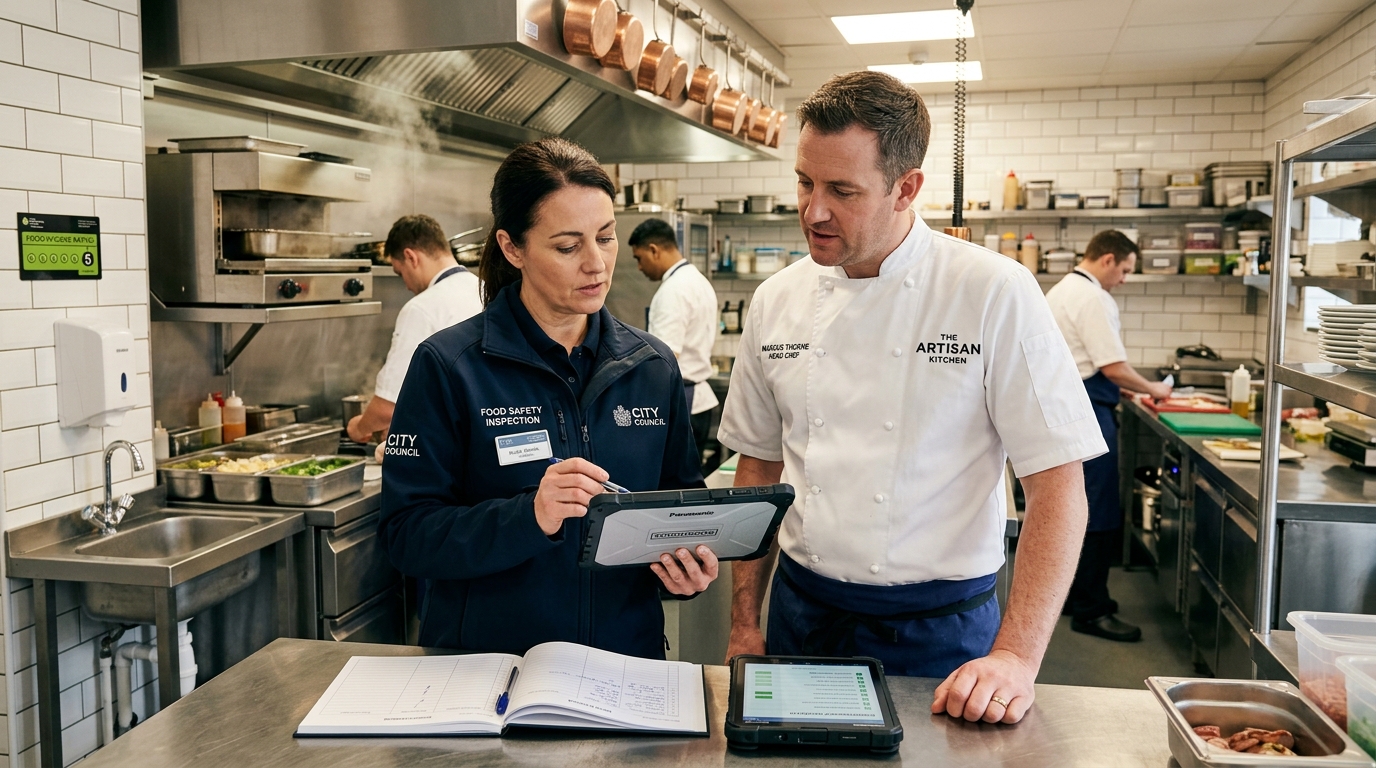
Inspectors talk to staff. A food handler who can explain why they check a temperature and what they do when it is wrong tells an inspector more about your operation than any binder can.
On the day
- Have one person accompany the inspector and take notes
- Bring records out promptly — hesitation reads as disorganisation
- Answer what is asked, honestly, without speculating
- Note every observation, including the informal advice
Afterwards
Turn the findings into a documented corrective action plan with owners and dates, and keep the evidence that each action was completed. That plan is the first thing worth showing at the next visit.