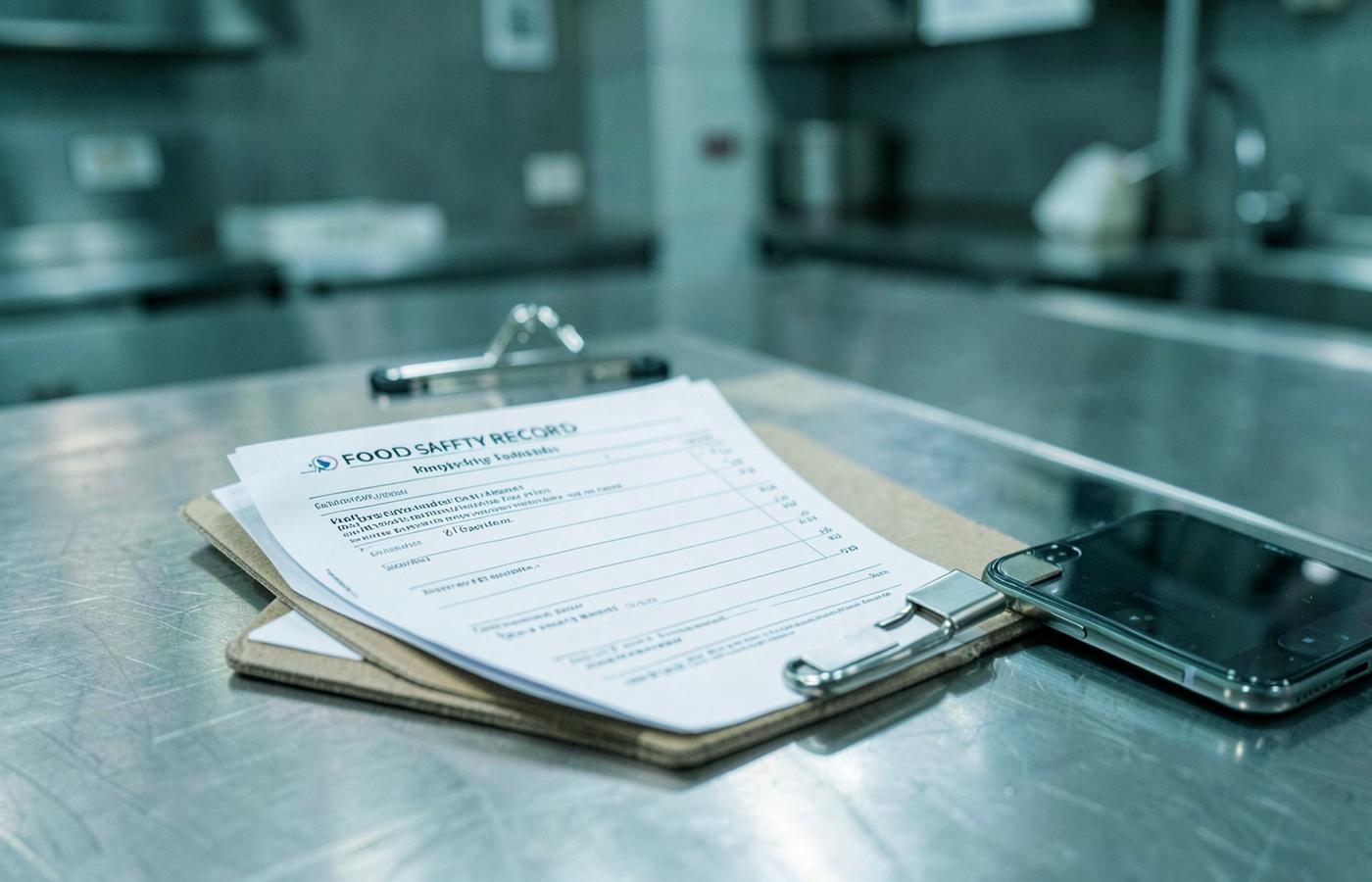
Daily Operational Checklists: The Secret to Consistency
Guests do not experience your standards on your best day. They experience them on an average one — understaffed, mid-week, with two new team members on the floor.

What a good checklist looks like
- Short enough to complete properly during a real shift
- Specific — 'chiller 1 reading recorded', not 'check fridges'
- Ordered the way the work actually happens
- Owned by a role, so it is clear who completes it
- Reviewed regularly, so dead items get removed
Why checklists get ignored
Checklists fail when they are too long, when they ask for things nobody can verify, or when the team knows nobody looks at them. The last one is the most damaging: once a checklist is understood to be decoration, every item on it loses authority.
Departmental routines, not one master list
Culinary, service and bar, and stewarding teams have different opening and closing realities. Separate routines per department are completed more reliably than one combined sheet that half the team ignores.
Close the loop
A completed checklist should be visible to the duty manager, and an incomplete one should be visible too. That single feedback loop — someone notices — is what turns a checklist from paperwork into consistency.