Reducing Food Waste Through Better Kitchen Management
Every kitchen produces waste. The difference between operations is whether anyone knows what was thrown away, why, and whether the same thing happened last week.
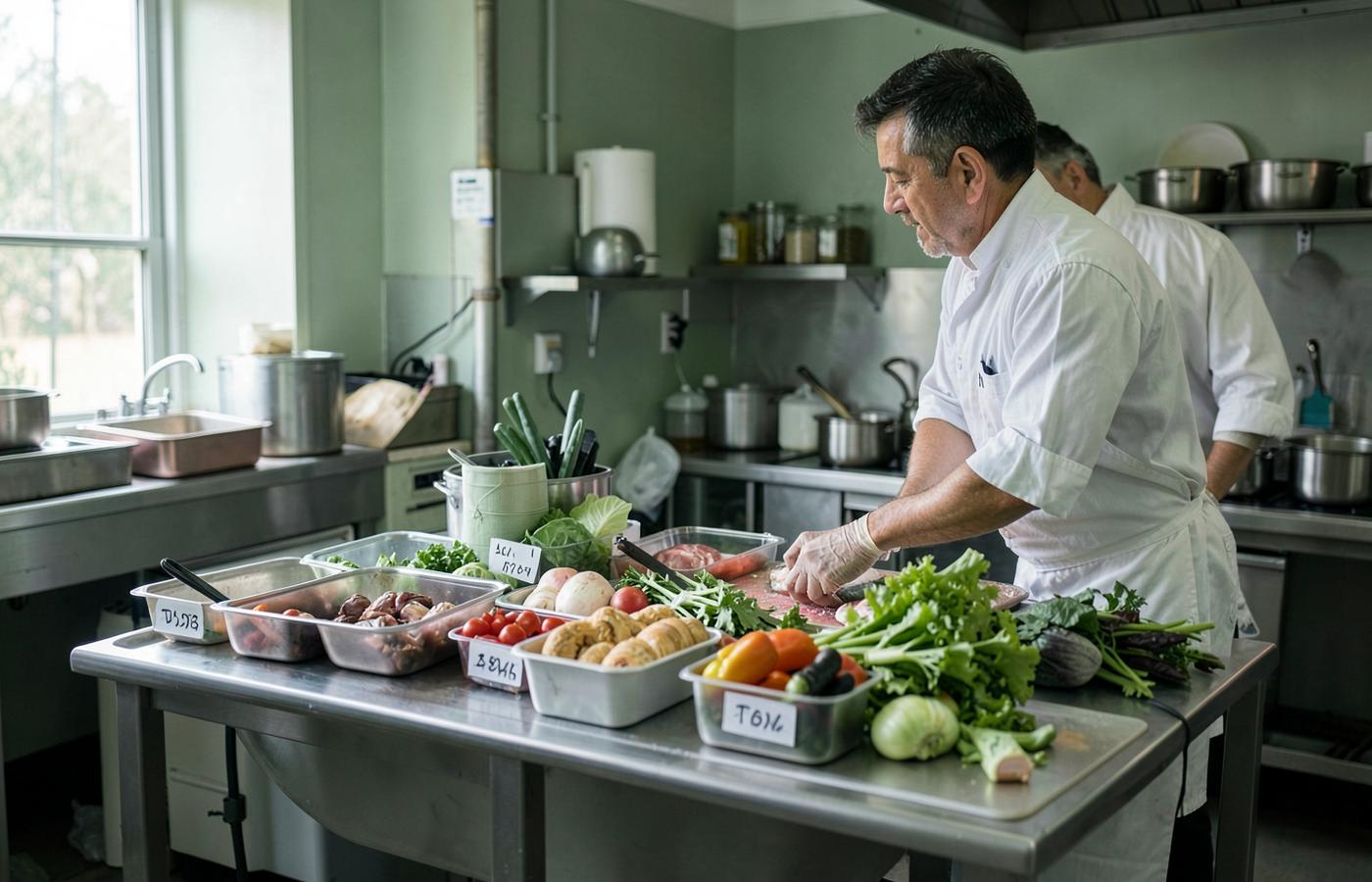
Record waste as data, not as a chore
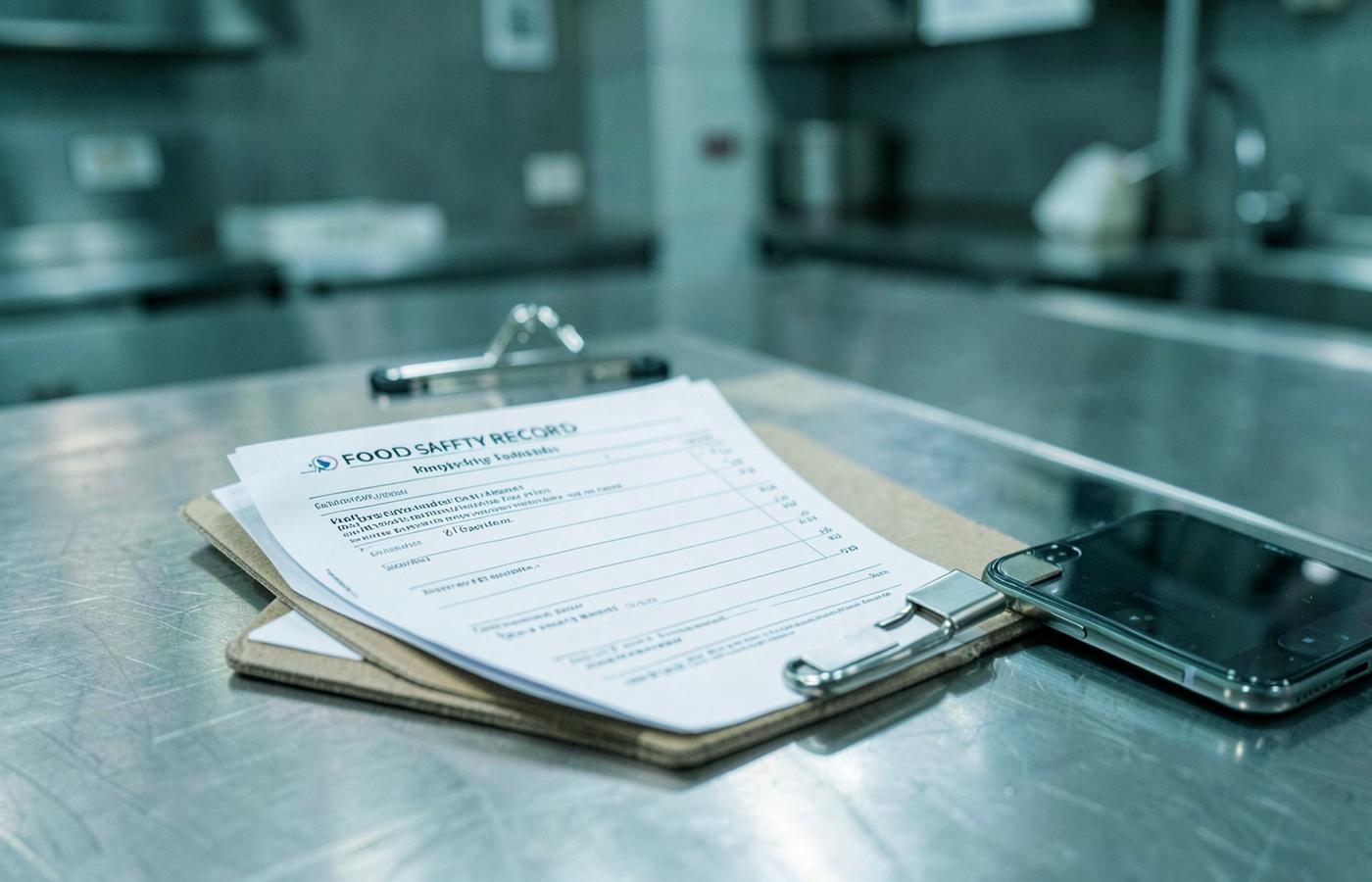
A waste log that captures only quantity is close to useless. What makes the record valuable is the reason: over-production, spoilage, preparation loss, returned dish, expired stock, equipment failure.
Once the reason is recorded consistently, patterns appear quickly — and patterns are actionable in a way that a total figure never is.
The usual causes worth checking
- Production quantities based on habit rather than recent covers
- Stock rotation that is assumed rather than checked
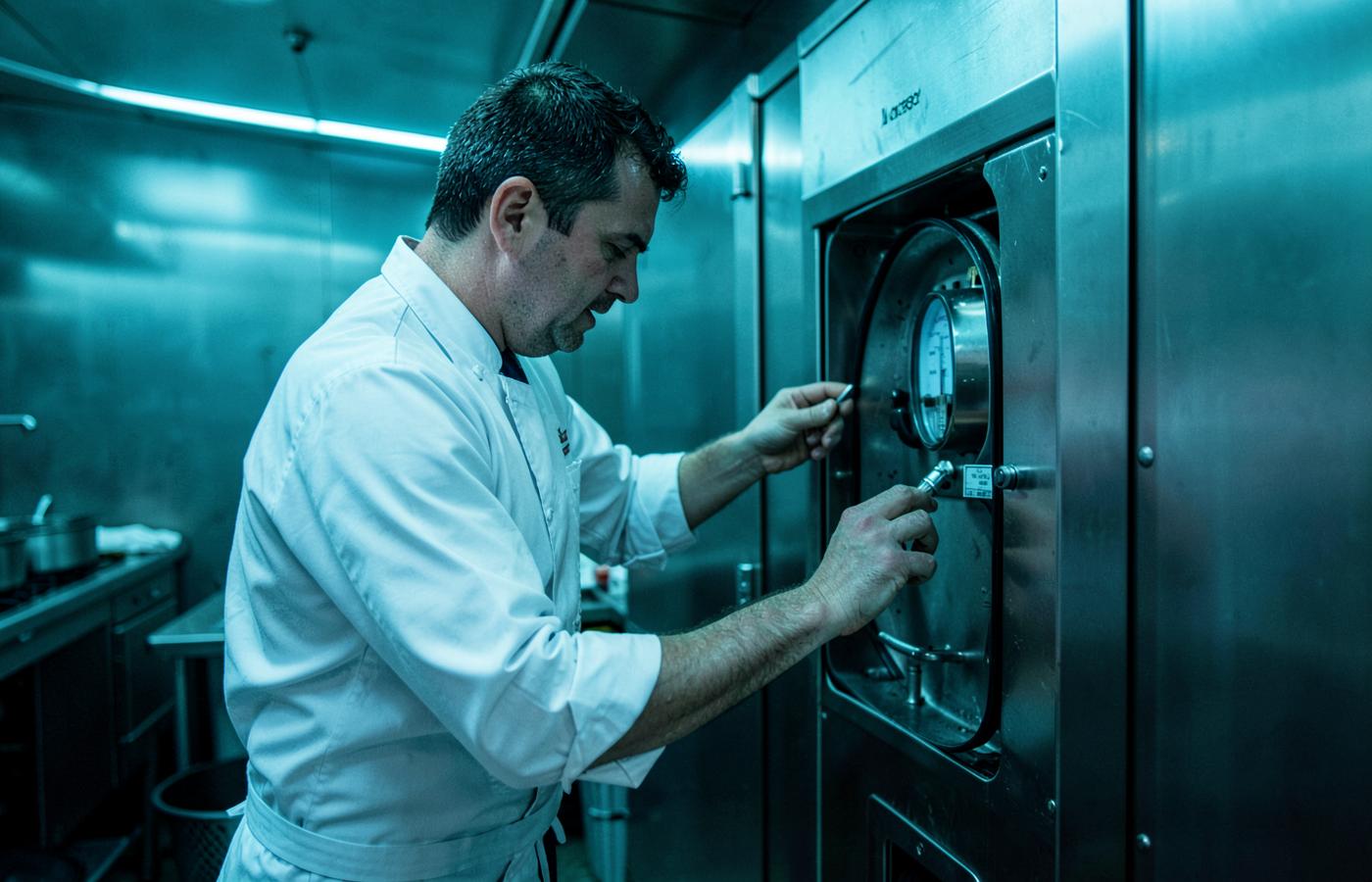
- Storage temperatures that shorten shelf life quietly
- Prep methods that lose more product than they need to
- Menu items that consistently return to the kitchen
Connect waste to your other records
Spoilage often has a temperature explanation. Over-production often has a forecasting explanation. When waste records sit alongside temperature records and production checklists, the cause is usually visible without an investigation.
Make it a short weekly review
Waste reduction rarely comes from a project. It comes from a fifteen-minute weekly look at what was thrown away and why, with one change agreed each time and checked the following week.